

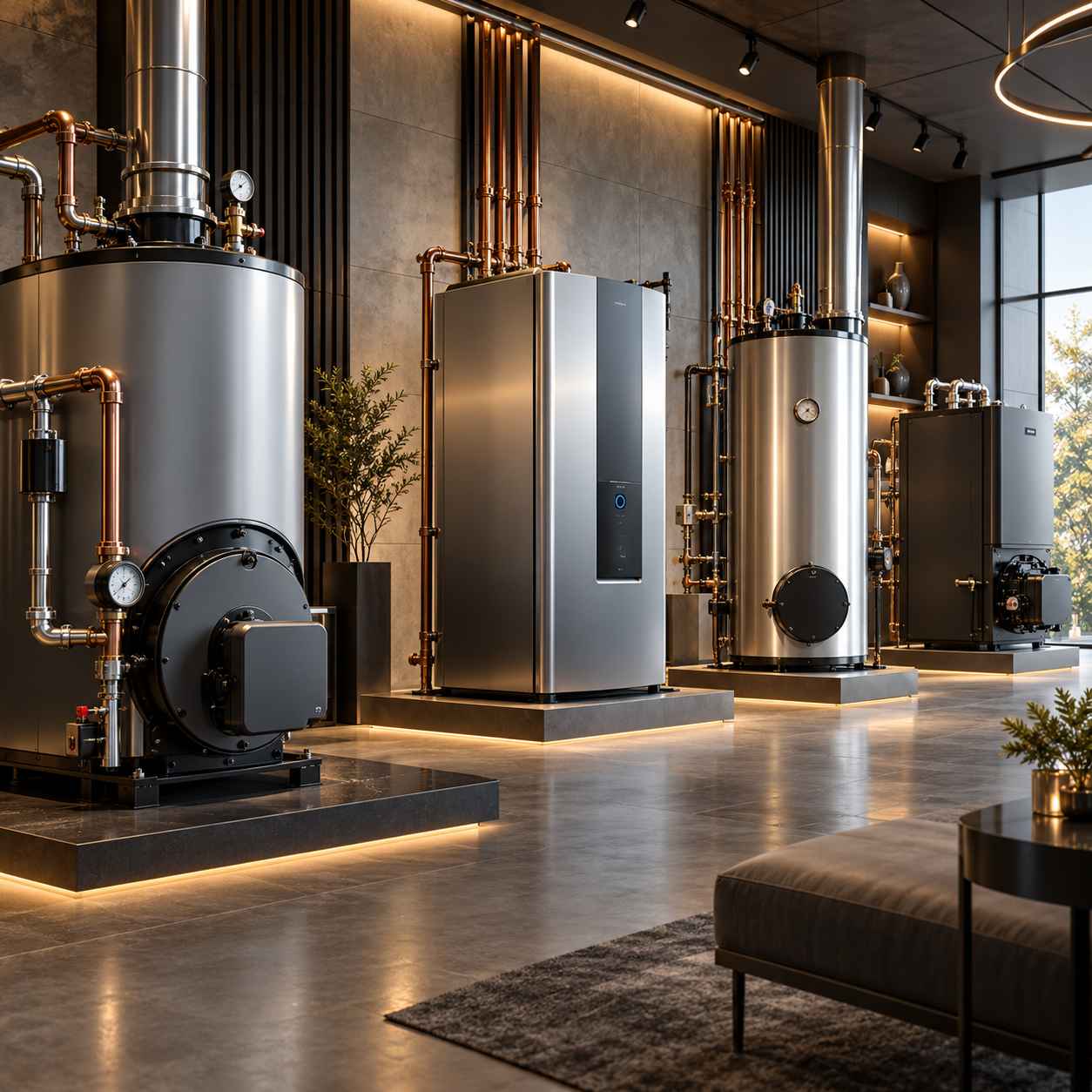
Industries across manufacturing, processing, and energy-intensive sectors are increasingly looking for practical ways to improve resource utilization while maintaining reliable production. Energy efficiency, waste management, process automation, and dependable thermal systems have therefore become important considerations for modern industrial facilities.
As businesses evaluate new technologies, solutions for converting waste into usable energy and generating process heat efficiently are gaining attention. Two areas that demonstrate this changing industrial landscape are waste-to-energy technologies and advanced boiler systems.
The Changing Approach to Industrial Energy Management
Industrial facilities often require substantial amounts of heat and steam for day-to-day operations. Depending on the industry, these requirements may include process heating, drying, sterilization, evaporation, chemical processing, or power generation.
An effective energy system needs to balance several factors, including:
- Consistent heat and steam availability
- Fuel utilization
- Operating efficiency
- Equipment reliability
- Maintenance requirements
- Environmental considerations
- Long-term operating costs
Rather than viewing individual pieces of equipment separately, modern facilities increasingly consider how different systems can work together as part of an integrated energy infrastructure.
Converting Difficult Waste Streams Into Useful Energy
Waste management presents another important challenge for industries. Plastics and other difficult-to-process waste materials can create environmental and operational concerns when conventional disposal methods are used.
Gasification is one technology being explored for converting carbon-containing materials into a combustible gas through a high-temperature process with limited oxygen. Depending on the feedstock and system design, the resulting synthesis gas can potentially be used as an energy source.
A plastic gasification plant is designed around this principle, using controlled thermal conversion to process suitable plastic waste streams. Such systems require careful consideration of feedstock characteristics, gas cleaning, thermal management, emissions control, and downstream energy utilization.
The practical value of gasification therefore depends not only on the reactor itself but also on how the entire system is engineered and integrated.
Why Thermal Equipment Matters in Industrial Operations
Boilers remain an important part of many industrial facilities because steam is required for numerous manufacturing processes. A properly designed boiler system can help provide consistent process heat while supporting dependable plant operations.
Businesses evaluating suppliers may come across industrial boiler manufacturers in India offering equipment for different fuel types, capacities, pressure requirements, and industrial applications.
Choosing suitable boiler equipment requires an understanding of the facility’s actual operating requirements. Factors such as steam demand, operating pressure, fuel availability, water quality, operating schedule, and available space can all influence equipment selection.
Integrating Energy Systems With Process Requirements
One of the most important trends in industrial engineering is the movement toward integrated energy systems.
For example, a facility may have several thermal requirements that need to be coordinated. Waste-derived energy could potentially support certain processes, while a dedicated boiler system provides reliable steam during normal or variable production conditions.
Integration can involve:
- Heat recovery systems
- Steam generation
- Waste-to-energy technologies
- Process heating equipment
- Condensate recovery
- Fuel management systems
- Automation and monitoring
- Emissions management
The objective is to create an energy infrastructure that matches the facility’s production requirements rather than relying on isolated equipment decisions.
Selecting the Right Industrial Equipment
Equipment selection should begin with a detailed understanding of the process.
Before investing in thermal or waste-conversion equipment, industrial operators should evaluate the following:
1. Feedstock or Fuel Characteristics
For waste-conversion systems, the composition, moisture content, contamination level, and consistency of the feedstock can influence system performance.
For boiler applications, fuel type and quality can similarly affect combustion performance and operating requirements.
2. Capacity Requirements
Equipment should be sized according to realistic production requirements. Oversized or undersized systems can create operational challenges and affect overall efficiency.
3. Process Conditions
Temperature, pressure, steam requirements, operating hours, and production cycles should all be considered during system design.
4. Maintenance and Service
Industrial equipment is expected to operate for extended periods. Accessibility, availability of replacement components, inspection requirements, and technical support should therefore be considered before installation.
5. Safety and Environmental Requirements
Thermal and gasification systems require appropriate safety systems, monitoring equipment, and environmental controls. Compliance requirements can vary depending on the application and location.
Daack Vessels and Industrial Process Solutions
For industrial projects involving pressure equipment, thermal systems, and process-related infrastructure, engineering and fabrication capabilities play an important role.
Daack Vessels works in the industrial equipment space, supporting requirements associated with process and thermal applications. Its solutions can be considered by businesses looking to develop or upgrade industrial infrastructure where engineered equipment and reliable fabrication are important.
Whether a project involves process equipment, steam generation, or broader industrial energy infrastructure, proper engineering and application-specific design remain central to achieving dependable plant performance.
Building Better Industrial Energy Infrastructure
The future of industrial energy management will likely involve greater integration between waste utilization, thermal generation, process optimization, and energy monitoring.
A plastic gasification plant represents one approach to converting suitable waste streams into usable energy resources, while modern boiler systems continue to support the steam and heat requirements of many industries.
For businesses planning new facilities or upgrading existing infrastructure, working with experienced engineering and equipment partners can help ensure that individual systems are selected according to actual process requirements.
Ultimately, successful industrial energy management is not about adopting one technology. It is about creating a coordinated system in which equipment, processes, safety measures, and energy requirements work together efficiently.