
Why Art Project Management Services Drive Better Creative Outcomes
Creative ideas have the power to transform workplaces, public spaces, educational institutions, healthcare facilities, and communities. A compelling mural, sculpture, gallery exhibition, or corporate art collection can inspire conversation, strengthen brand identity, and create memorable experiences. However, successful creative projects require more than artistic talent alone. Every stage from planning and budgeting to installation and final evaluation demands careful coordination. This is where art project management services become essential.
Art projects often involve multiple moving parts. Artists, clients, designers, architects, contractors, suppliers, and stakeholders each contribute specialized knowledge while working toward a shared objective. Without organized communication and structured planning, even the most inspiring creative concept can face delays, unexpected expenses, or logistical challenges. Embrace Creatives recognizes the importance of bringing structure and efficiency to complex creative initiatives through effective project management.
Professional project management provides a framework that supports creativity without limiting artistic freedom. Instead of spending valuable time resolving scheduling conflicts or coordinating deliveries, artists can focus on producing exceptional work while project managers oversee operational details. This balanced approach improves efficiency, strengthens collaboration, and increases the likelihood of successful project completion.
Understanding the Role of Art Project Management Services
Unlike traditional project management, creative projects require flexibility alongside organization. Artistic ideas often evolve throughout development, making adaptability just as important as structure.
Art project management services typically include:
- Project planning and scheduling
- Budget development and financial tracking
- Artist and stakeholder coordination
- Vendor management
- Risk assessment
- Resource allocation
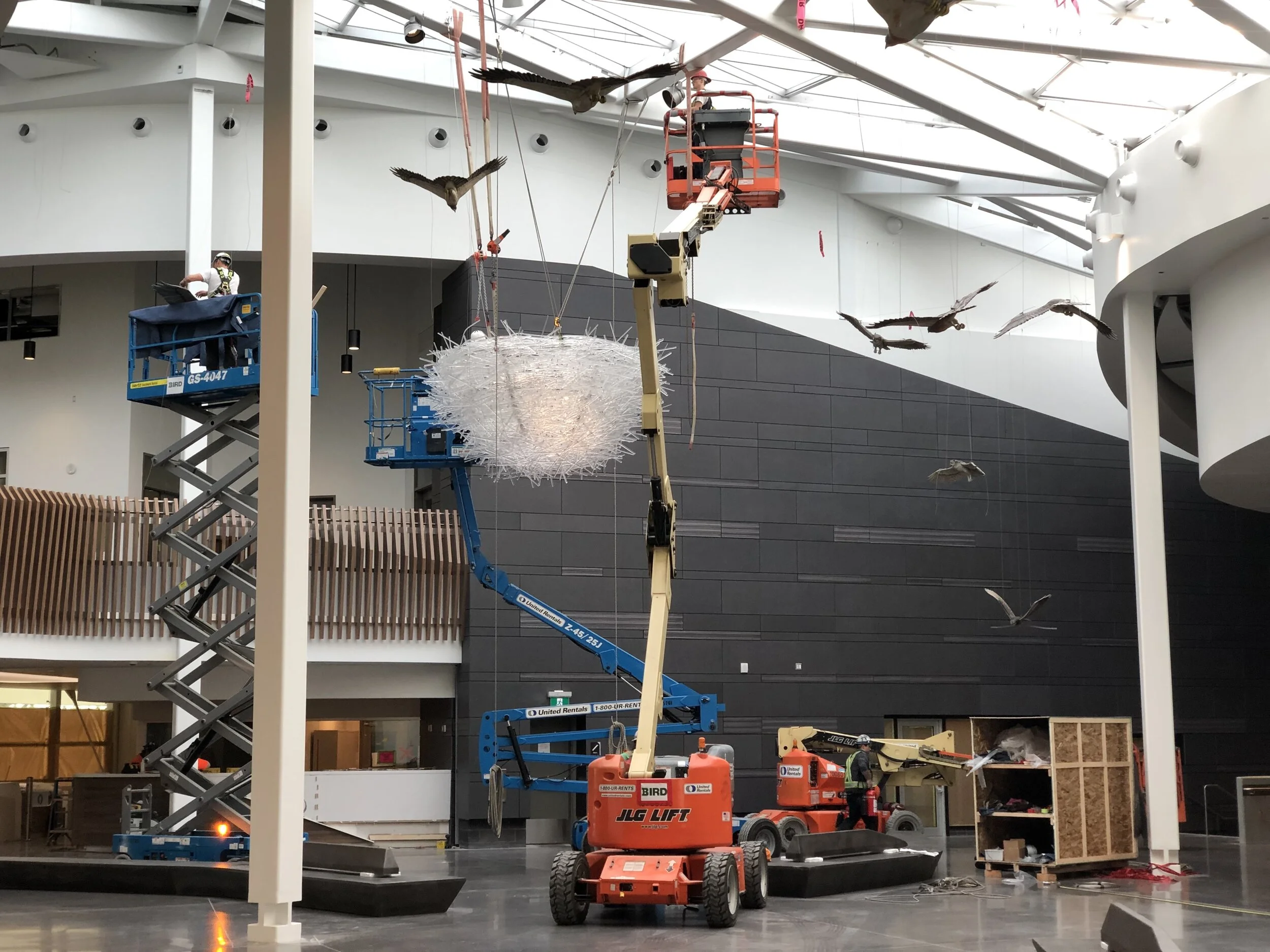
- Installation planning
- Quality assurance
- Final project evaluation
Each responsibility contributes to a smoother workflow while helping projects remain aligned with creative objectives and client expectations.
Planning Creates a Strong Foundation
Every successful project begins with thoughtful preparation. During the planning phase, project goals, deliverables, timelines, responsibilities, and available resources are clearly defined. Establishing expectations early reduces confusion later and helps every participant understand their role.
Planning also identifies potential challenges before they become major problems. Factors such as material availability, permitting requirements, transportation logistics, and installation conditions can all influence project success. Addressing these considerations in advance creates realistic schedules and minimizes unnecessary delays.
Projects built on strong planning often experience greater efficiency because decisions are guided by clear objectives rather than last-minute reactions.
Clear Communication Strengthens Collaboration
Creative projects bring together individuals with diverse expertise and priorities. Artists focus on creative expression, while business leaders may emphasize budgets and deadlines. Designers, fabricators, installers, and community representatives each contribute additional perspectives.
Professional communication bridges these differences by creating consistent channels for updates, approvals, and decision-making. Regular meetings, documented milestones, and transparent reporting help everyone remain informed throughout the project.
Benefits of effective communication include:
- Faster decision-making
- Reduced misunderstandings
- Greater accountability
- Stronger stakeholder confidence
- Improved collaboration
When information flows efficiently, projects are less likely to encounter avoidable setbacks.
Budget Management Protects Creative Investments
Every creative project represents an investment of both financial resources and time. Whether funding public art, renovating gallery spaces, or commissioning corporate installations, organizations benefit from careful financial oversight.
Professional budget management involves:
- Estimating project costs
- Allocating available resources
- Monitoring ongoing expenses
- Managing vendor contracts
- Tracking financial performance
- Preparing contingency plans
Rather than limiting artistic possibilities, responsible budgeting ensures resources remain available throughout the project’s lifecycle. Financial transparency also strengthens trust among artists, clients, sponsors, and funding organizations.
Scheduling Keeps Projects Moving Forward
Time management is one of the most important aspects of successful project delivery. Deadlines often coincide with exhibition openings, public events, building completions, or marketing campaigns, making schedule accuracy essential.
Professional scheduling divides projects into manageable phases, including:
- Initial consultation
- Concept development
- Design approval
- Material procurement
- Production
- Transportation
- Installation
- Final inspection
Breaking work into measurable milestones makes progress easier to monitor while allowing adjustments if unexpected challenges arise.
Managing Risks Before Problems Grow
Every project carries uncertainty. Material shortages, shipping delays, weather conditions, permitting issues, or contractor availability can all affect project timelines.
Art project management services emphasize proactive risk management by identifying possible obstacles before they disrupt production.
Common strategies include:
- Developing backup schedules
- Maintaining alternative supplier options
- Monitoring project milestones regularly
- Creating contingency budgets
- Performing quality inspections throughout production
Anticipating challenges allows projects to continue moving forward even when circumstances change unexpectedly.
Supporting Creativity Through Organization
Some people assume structured project management limits artistic freedom. In reality, organization often creates greater opportunities for innovation.
When administrative responsibilities are managed efficiently, artists have more time to explore ideas, refine concepts, and focus on craftsmanship. Rather than handling contracts, coordinating deliveries, or monitoring invoices, creative professionals can devote attention to producing meaningful artwork.
This partnership between creativity and organization allows projects to maintain both artistic excellence and operational efficiency.
Art Project Management Services Enhance Client Confidence
Clients investing in artwork expect transparency, accountability, and dependable project delivery. Regular updates, clearly defined milestones, and documented progress provide reassurance that objectives are being achieved.
Professional project management helps build trust by ensuring:
- Expectations remain aligned
- Budgets stay under control
- Deadlines are monitored
- Communication remains consistent
- Quality standards are maintained
A positive project experience often encourages long-term relationships, repeat collaborations, and future creative investments.
The Growing Importance of Art in Business
Businesses increasingly recognize that thoughtfully curated artwork contributes to stronger workplace culture, customer engagement, and brand identity. Offices, hospitality venues, healthcare facilities, educational campuses, and retail environments all benefit from carefully planned creative installations.
Successful art initiatives help organizations:
- Create memorable visitor experiences
- Reinforce organizational values
- Inspire employees
- Encourage community engagement
- Enhance interior environments
- Differentiate commercial spaces
Professional management ensures these creative investments deliver measurable value while supporting broader business objectives.
Choosing Professional Art Project Management Services
Selecting experienced project management support requires careful evaluation. Organizations should look for professionals with experience managing diverse creative projects, coordinating multidisciplinary teams, and solving complex logistical challenges.
Important qualities include:
- Strong communication skills
- Organizational expertise
- Financial management experience
- Creative industry knowledge
- Problem-solving ability
- Attention to detail
- Adaptability
- Commitment to quality
These characteristics contribute to successful project execution regardless of project size or complexity.
Conclusion
Creative vision deserves structured execution. Art project management services provide the planning, coordination, communication, and oversight needed to transform ideas into successful artistic experiences. From budgeting and scheduling to stakeholder collaboration and final installation, professional project management reduces risk while supporting creativity at every stage.
Organizations, artists, and businesses that prioritize effective project management are better equipped to complete projects on time, manage resources responsibly, and achieve meaningful results. Companies such as Embrace Creatives demonstrate how structured project management can support successful collaborations while helping creative projects achieve their full potential. Thoughtful planning not only improves operational efficiency but also protects artistic integrity, creating lasting value for clients, communities, and creative professionals alike. As demand for impactful art continues to grow across industries, professional project management remains an essential foundation for delivering exceptional creative projects from concept to completion.