

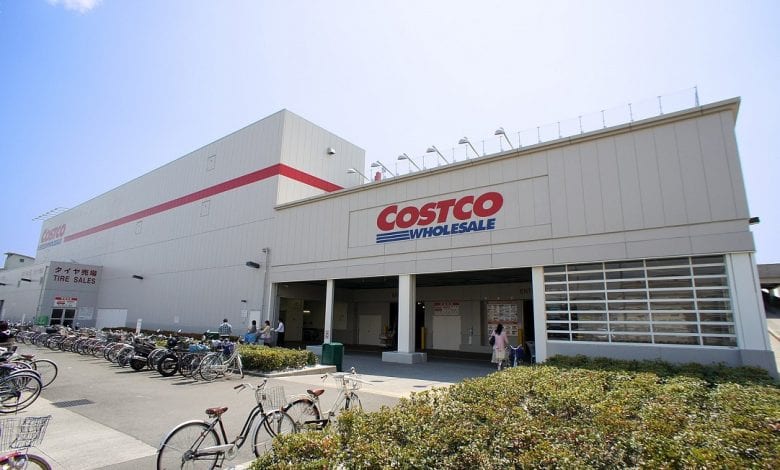
Most retailers make money after the customer enters the store. Costco gets paid before the cart starts rolling. That one difference explains why the Costco membership system feels less like a normal store tactic and more like a quiet profit engine. In the USA, shoppers pay for access, then expect the company to prove the fee was worth it on every visit. That pressure keeps prices sharp, turns bulk buying into a habit, and gives Costco a trust edge many retailers spend years chasing. For brands studying loyalty, pricing, and business visibility and brand authority, the lesson is simple: the fee is not the whole model. The fee works because the warehouse makes members feel smart. Costco reported $5.323 billion in membership fees for fiscal 2025, while net sales reached $269.912 billion, which shows how the paid-access layer sits on top of a massive shopping machine. The real money comes from that loop repeating with almost boring discipline.
The Paid Door Changes the Whole Retail Game
Costco does not ask shoppers to browse first and commit later. It flips the order. You commit first, then shop. That sounds risky until you see how it changes customer behavior. A member walking into a warehouse is not acting like a casual Target browser or a grocery shopper comparing four nearby stores. They have already paid to be there, so the visit starts with a small mental push: “I should get value from this.”
That is the first hidden win. The annual fee turns a store trip into a value mission.
Why the Entry Fee Makes Shoppers More Loyal
A paid card creates a small sunk cost, and small costs can be powerful. A $65 Gold Star fee does not ruin anyone’s budget, but it is enough to make many families think twice before letting it sit unused. Costco raised the U.S. Gold Star and Business fees from $60 to $65 and the Executive fee from $120 to $130 effective September 1, 2024. That price point is careful. It is noticeable, but not high enough to force a fresh financial debate every month.
This is where the warehouse retail model gets clever. The card is not sold as a luxury pass. It is sold as a tool for everyday savings. You do not need to buy a designer handbag to feel the value. You can buy eggs, paper towels, rotisserie chicken, gas, dog food, or allergy medicine.
That broad use matters. A gym membership fails when the customer stops going. A warehouse card has more paths back into the routine. One week it is groceries. Next week it is tires. Later it might be travel, glasses, or a couch.
The non-obvious part is that Costco does not need every trip to feel magical. It needs enough trips to feel fair. A family in Ohio may not calculate savings line by line, but they remember the $1.50 hot dog combo, the full cart, and the feeling that no one was trying to trick them.
That feeling compounds.
The Fee Works Because the Store Earns It Back
A bad paid club feels like a cover charge. Costco avoids that trap by making the warehouse feel like proof. The aisles are plain. The pallets are exposed. The signs are blunt. Nothing about the setting says, “We spent your fee on mood lighting.”
That plainness is part of the promise.
Costco says its membership fees help offset operating costs so it can keep prices low. That is not a decorative claim. It explains the bargain between company and shopper. Members pay upfront, and Costco gets room to run a lower-margin retail operation without needing to squeeze every item for profit.
This is also why membership fee revenue is more valuable than normal sales dollars. Product sales come with product costs, freight, labor, spoilage, markdowns, and theft. Fee income is cleaner. It does not require Costco to ship another case of water or sell another pack of chicken thighs.
A normal retailer wins when it marks up goods well. Costco wins when it convinces members that the goods are marked up less.
That is a strange bargain, but it has worked for decades.
Costco Membership Turns Low Prices Into a Trust Flywheel
The real genius is not the card. Many companies sell paid access and still fail. The stronger move is how Costco makes the card feel safer over time. Each trip becomes a test. If the member sees fair prices often enough, the next trip needs less proof. Trust replaces constant comparison.
That is hard to copy because it depends on restraint. Most retailers cannot resist the chance to widen margins when demand is strong. Costco’s edge is that it often leaves money on the table today to protect the renewal tomorrow.
How Price Discipline Builds Repeat Visits
A shopper does not need a spreadsheet to believe Costco is cheap. They need a few anchor items that feel unbeatable. Gasoline, rotisserie chicken, paper goods, pharmacy items, and Kirkland Signature staples do a lot of emotional work.
The warehouse retail model uses those anchors to set the tone for the whole cart. If the gas price outside is lower than the station down the road, the shopper walks inside already warmed up. If the rotisserie chicken still feels like a steal, the rest of the cart gets judged through that lens.
This is not the same as running random discounts. Random discounts train shoppers to wait. Costco trains shoppers to trust the baseline.
There is tension here. Low prices can make a company look cheap in the wrong way. Costco solves that with selective quality. A giant pack of trash bags is not glamorous, but when it works well and costs less per use, the member feels competent.
That is a better emotion than excitement. Excitement fades. Competence comes back next Saturday.
For a deeper business lesson, this connects with pricing psychology in retail, because Costco turns price into identity. Members do not only save money. They feel like the kind of people who know where value hides.
Why the Treasure Hunt Keeps the Model Fresh
Costco would be dull if it sold only predictable bulk staples. The treasure hunt fixes that. You go for laundry detergent and leave noticing a patio set, a limited snack, a jacket, or a seasonal toy you did not expect.
This should not work as well as it does. Scarcity can annoy shoppers. Limited selection can feel restrictive. Yet Costco makes both feel useful. Fewer choices lower decision stress, while surprise items keep the trip from becoming a chore.
A regular supermarket may carry twenty kinds of olive oil. Costco may carry a few. That sounds like less service, but for many busy American households, fewer choices can feel like relief. The company is saying, in effect, “We did part of the sorting for you.”
The counterintuitive insight is that limited choice can increase trust. Endless choice shifts work onto the shopper. Costco’s narrow range suggests confidence. You may not always find the exact brand you imagined, but you often find a good enough deal to stop searching.
That is a strong customer loyalty strategy because it rewards return visits without needing points, badges, or app tricks. The store itself becomes the loyalty program.
Membership Fee Revenue Gives Costco Patience Competitors Lack
Retail is usually a fast-pressure business. Margins are thin. Rent is due. Payroll is constant. Inventory ages. Competitors cut prices without warning. A retailer that depends only on product markup has to win item by item, day by day.
Costco gets a second engine. Membership fee revenue gives the company a steadier layer of income, which helps explain why it can stay disciplined on product pricing while still posting strong operating results. In fiscal 2025, Costco reported $10.383 billion in operating income, with membership fees making up more than half of that figure. That does not mean fees are the only source of profit, but it shows why they matter so much.
Why Clean Fee Income Supports Thin Margins
A warehouse full of merchandise is messy business. Bananas spoil. TVs get returned. Freight costs move. Beef prices jump. A snowstorm can hurt traffic in one region and help sales in another. Retail profit is never as neat as a shelf tag makes it look.
Fee income is different. It arrives because the member wants access. Costco still has service costs attached to the member base, but the fee is not tied to one product’s margin.
That lets Costco play a longer game. It can accept lower gross margin on a popular item because the broader relationship is worth more than one sale. A family that saves on diapers today may renew next year, buy tires later, and upgrade to Executive when spending rises.
This is where many brands misunderstand paid loyalty. They treat the fee as the product. Costco treats the fee as permission to keep proving value.
A software company may charge monthly and then hide good features behind higher tiers. An airline may charge fees that make customers angry. Costco’s fee is easier to accept because the customer can point to the cart and say, “That paid for itself.”
That line may not be mathematically perfect every time. It does not need to be. It needs to feel true often enough.
Executive Members Deepen the Spending Loop
The Executive tier adds another layer. Executive Members can earn a 2% annual reward on qualified purchases, capped at $1,250. The upgrade is not only a perk. It changes the member’s frame of mind.
Once a shopper has the higher tier, more Costco spending feels rewarded. A vacation through Costco Travel, a major appliance, or a large grocery month can feel like progress toward a future certificate. That makes the customer less likely to split purchases across rivals.
It also gives Costco a graceful upsell. The company does not need to shout. It can ask a simple question: Are you spending enough here that the upgrade makes sense?
That is a cleaner pitch than most loyalty upsells. It is tied to behavior, not vanity.
The non-obvious part is that rewards can protect discipline when prices rise elsewhere. If grocery bills are high across the USA, a member may question every store. The Executive reward gives heavy shoppers one more reason to keep Costco in the center of the household budget.
For businesses studying customer loyalty strategy, the lesson is sharp: a strong tier does not flatter the customer. It helps the customer justify a bigger habit.
The Model Prints Money Because It Protects the Member Promise
Costco’s money machine is not loud. It is almost stubborn. Keep the warehouse simple. Keep prices credible. Keep selection tight. Keep renewal easy to defend at the kitchen table. The model works because each part protects the next part.
That also means it is more fragile than it looks. If Costco ever trained members to doubt the value, the fee would become a target. The same card that creates loyalty could create resentment. Paid access raises expectations, and raised expectations punish sloppy execution.
The Brand Wins by Saying No Often
Costco says no more than most retailers. No to endless assortment. No to fancy shelving. No to chasing every trend. No to turning the warehouse into a luxury showroom. Those refusals create the operating shape customers recognize.
A typical American Costco trip has a certain rhythm. Park in a crowded lot. Show the card. Grab an oversized cart. Move past pallets. Check the center aisles for surprises. End with a receipt check and maybe a cheap food court stop. It is not polished in the usual retail sense.
That is the point.
The experience feels honest because it does not pretend to be more refined than it is. The savings story would be weaker if the store looked expensive to run. A plain warehouse supports the belief that the customer is getting the better side of the deal.
This is also why Kirkland Signature matters. Private label gives Costco more control over value, quality, and comparison. When a Kirkland item earns trust, it reduces the need for national-brand proof. The member starts trusting Costco’s judgment, not only Costco’s prices.
That is a deeper kind of loyalty.
What Other Brands Usually Get Wrong
Many businesses copy the surface and miss the engine. They launch a paid program, add a few benefits, and expect recurring revenue. Then customers cancel because the value feels thin.
Costco’s lesson is harsher. You cannot charge for access unless access feels better than free alternatives. The member must feel protected from bad deals, not trapped inside a paid wall.
This is where the business model becomes a filter. Every decision has to answer one question: will this help members renew without regret? If the answer is no, the short-term profit may not be worth it.
That mindset shows up in the numbers. For the first 36 weeks of fiscal 2026, Costco reported membership fees of $4.057 billion, up from $3.599 billion in the same period a year earlier. The fee engine kept growing because the shopping engine kept giving people reasons to stay.
The counterintuitive insight is that Costco does not print money by acting greedy. It prints money by making greed look absent. The company earns trust by letting members believe they are winning first.
That is rare in retail.
Conclusion
The best business models do not need constant explanation. Customers understand them through use. They pay, shop, compare, save, return, and renew. Over time, the habit becomes harder to break because it is tied to household routines, not passing excitement. That is why the Costco Membership model remains one of the cleanest examples of paid loyalty in American retail. It turns access into commitment, commitment into repeat visits, and repeat visits into steady fee income that supports the whole warehouse promise. The danger for copycats is thinking the annual fee is the secret. It is not. The secret is the discipline behind the fee. Costco keeps asking members for trust, then keeps giving them practical reasons to say yes. Any brand can sell a program. Far fewer can make customers feel smart for paying to enter. Build that feeling first, and the revenue has something real to stand on.
Frequently Asked Questions
How does Costco make money from memberships?
Costco earns annual fees from Gold Star, Business, and Executive members. That fee income sits alongside product sales, but it has a cleaner profit profile than merchandise because it is not tied to one item’s cost, freight, spoilage, or markdown risk.
Is Costco’s business model better than normal retail?
It is stronger in one key way: shoppers pay for access before buying. That gives Costco a steadier income layer and pushes the company to keep prices sharp so members renew. Normal retailers often depend more heavily on product markup alone.
Why do people pay to shop at Costco?
Many shoppers believe the savings, product quality, gas prices, return policy, and bulk value outweigh the annual fee. The card also gives access to services like travel, optical, pharmacy, and tire centers, which makes the value feel broader than groceries.
What makes Costco’s customer loyalty so strong?
The loyalty comes from repeated proof, not points. Members see familiar savings on household basics, discover surprise deals, and trust the limited selection. Over time, Costco becomes part of the family shopping routine instead of another store to compare.
How does the Executive Membership help Costco?
Executive Membership encourages heavier spending by giving qualified purchases an annual 2% reward. That makes members more likely to keep large purchases inside Costco’s system, from groceries and appliances to travel, instead of spreading that spending across several retailers.
Why does Costco sell fewer product choices?
Fewer choices help Costco buy in larger volumes, move inventory faster, and reduce shopper confusion. The tradeoff works because customers trust Costco to pick good products. Less choice can feel like better curation when the prices and quality hold up.
Can other businesses copy Costco’s paid membership model?
They can copy the fee, but not the trust overnight. A paid program works only when customers feel the access is worth more than the cost. Without clear savings, better service, or special value, paid loyalty turns into another bill people cancel.
Why is Costco still popular when online shopping is easy?
Costco gives shoppers something online stores struggle to match: a physical treasure hunt, bulk savings, instant food and household stock-up, cheap gas in many locations, and a sense of discovery. The trip feels useful, not only transactional.