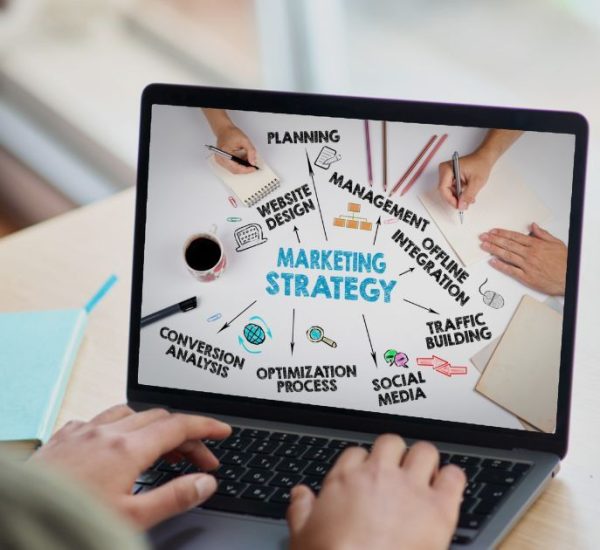


A business buyer rarely clicks because your banner looks polished. They click when the page gives them a safe next step. Company Page Optimization matters because most B2B buyers in the United States are not hunting for a vendor the first time they visit your page. They are testing fit, proof, tone, and risk. A strong page answers one quiet question fast: “Can this company help someone like us?” That answer needs to show up in the headline, About section, pinned posts, proof points, and next action. Your LinkedIn page should not feel like a digital brochure left on a lobby table. It should feel like a working front desk for serious buyers. Add clear positioning, useful earned media signals, and content that explains problems in plain English, and the page starts doing useful work before a sales rep ever joins the conversation. The job is quiet, but the stakes are high when contracts take months and committees share the risk. For a B2B team, that is where trust begins.
Company Page Optimization Starts With a Buyer-Safe First Impression
Your page has one hard job before it can generate leads: reduce doubt. A VP of operations in Ohio, a procurement manager in Texas, and a SaaS founder in California may all scan the same page from different pressures. One wants lower risk. One wants vendor proof. One wants speed. The mistake many companies make is treating the page like a brand museum. Buyers do not need a wall of slogans. They need quick evidence that your company understands their world and can handle the stakes. The page should make a stranger feel oriented, not dazzled. That is a higher bar, because orientation requires clear choices about audience, promise, proof, and next step.
Write the headline for the buyer, not the founder
The tagline under your company name is small, but it carries more weight than many teams admit. “We help businesses grow” says almost nothing. “Sales training for U.S. manufacturing teams with long, technical buying cycles” says a lot. It names the buyer, the market, and the pain in one breath. A buyer can decide in seconds whether the page belongs in their mental shortlist.
That kind of clarity helps your LinkedIn marketing strategy because it filters the right people in and the wrong people out. Filtering sounds harsh, but it saves money. If your offer is built for mid-market healthcare firms, a vague headline may attract students, job seekers, agencies, and tiny startups. Big numbers can feel nice. Poor fit drains the pipeline. A clear tagline also gives employees a sentence they can repeat, which matters when sales, hiring, and content all point back to the same brand promise.
A sharp headline makes every later action easier. Your posts feel more connected. Your calls to action sound less forced. Your sales team gets fewer confused inquiries. One counterintuitive truth: a narrow page often earns more serious interest than a broad one because buyers trust firms that can name the lane they serve.
Make the About section act like a sales filter
The About section should not read like a company award speech. Start with the buyer’s problem, then explain who you help, what outcome you support, and why your way is different. Keep the tone calm. A B2B buyer can smell overreach. If the copy sounds like it was written to impress investors, rewrite it for the person who has to fix the problem next quarter.
A simple structure works well:
- Name the buyer and problem.
- Explain the outcome you help create.
- Show proof through clients, use cases, or field knowledge.
- Tell visitors what to do next.
For example, a cybersecurity firm selling to U.S. credit unions should not open with its founding story. It should open with vendor risk, audit pressure, and member data protection. The founding story can appear later if it adds trust. On a lead-focused page, order matters. The buyer is not being rude by skipping your backstory. They are busy, and they are measuring whether your team can explain their pressure without wasting time.
This is also where you should place one clear next step. “Visit our website” is weak by itself. “Download the vendor risk checklist for credit union leaders” gives the buyer a reason to move. For more planning depth, pair your page work with a B2B content planning guide so the profile, posts, and offers support the same buyer journey.
Build Content Around Buying Signals, Not Posting Habits
After the page feels credible, content decides whether people return. Many teams post because the calendar says Tuesday. That is not a strategy. A better system starts with buyer behavior: what questions appear before a deal, what fears slow the sales process, and what proof helps a buyer defend the choice inside their company. The page should publish for those moments. That does not mean every post asks for a meeting. It means every post earns the right to be remembered. Content should sound less like an announcement board and more like a working notebook from a team that solves the problem every week.
Turn company page content into proof buyers can test
Good company page content does not only educate. It proves judgment. A CFO reading your post about software cost control is not grading your grammar. They are asking whether your team understands budget review, internal resistance, and renewal pressure. A short post with one field-tested insight can beat a long thought piece that says what everyone already knows. Buyers may not comment, but they notice when a post names a problem they had not been able to phrase.
Proof can take many forms. A before-and-after workflow. A client lesson with private details removed. A short note on a mistake buyers make during vendor selection. A plain-English breakdown of a messy term. The key is specificity. “Improve efficiency” feels empty. “Cut the weekly reporting meeting from 60 minutes to 20 by moving exception notes into the dashboard” feels lived in. That kind of line gives sales something to reference later, and it gives buyers a reason to believe the team has seen the work up close.
The non-obvious move is to publish some content that tells poor-fit buyers to slow down. A fractional CFO firm might post, “Do not hire us yet if your books are six months behind.” That sounds risky. It can build trust because buyers know you are not chasing every dollar. B2B lead generation improves when the page shows judgment, not hunger.
Use employee voices without losing brand control
A company page can only carry so much human texture on its own. People still trust people. That is why employee comments, reposts, and original posts can extend the reach of a brand without making the page feel loud. The risk is drift. If every employee says something different, the market gets a blurry picture. The fix is not a script. A script strips out the thing that makes employee voices useful.
Set a light system instead of a stiff script. Give your team three or four themes for the month, a few approved proof points, and room to write in their own voice. A sales engineer can explain a technical objection. A customer success lead can share a lesson from onboarding. A founder can add point of view without turning every post into a pitch. One person may write two tight lines. Another may tell a short story from a client call. Both can work when the core message stays aligned.
This supports a stronger LinkedIn marketing strategy because the company page becomes the anchor, while employee profiles create the surrounding conversation. The page holds the official promise. People add context. A U.S. B2B buyer may see an employee post first, then click through to the page to verify the company behind it. That click is not casual. It is a trust check.
Create Lead Paths That Respect the Long B2B Sale
A LinkedIn page visitor may be six months away from buying. Treating that person like a hot lead can kill interest. The better move is to offer different levels of commitment. Some visitors want to read. Some want a checklist. Some want a webinar. A few want a direct call. Your page should make these paths clear without shoving everyone toward the same form. The best B2B pages respect timing because timing is part of trust. Push too early and you feel needy. Wait too long and the buyer forgets why they cared.
Give warm visitors one clear next move
Choice can hurt conversion when every option has equal weight. A page with five links, three offers, a newsletter pitch, and a demo button can feel busy. Buyers hesitate when they do not know which path fits their stage. A page should guide them, not make them solve your marketing map.
Pick one main action for the month. If your sales cycle starts with education, pin a strong guide. If demand is already warm, pin a webinar or demo offer. If your market has a seasonal pain, such as year-end budgeting or open enrollment, match the call to action to that moment. This does not mean removing every other link. It means making one action feel like the obvious next move for the visitor you care about most.
A benefits consulting firm in Chicago might pin a post in August that says, “Open enrollment planning checklist for companies with 100–500 employees.” That offer speaks to a real deadline. It also gives sales a better first conversation than a bland “contact us” form. The visitor has already shown a need, a company size range, and a timing signal.
Match page traffic with forms, events, and follow-up
LinkedIn’s own lead generation guidance puts weight on buyer personas, content, distribution, forms, and measurement. That is the right order. A form will not save a weak offer. A strong offer will still underperform if follow-up feels cold or late. The page promise and the follow-up message must feel like one conversation.
Think of the page as the top layer of a lead path. The next layer may be a native form, an event registration, a landing page, or a newsletter. Each path should match intent. Someone who downloads a beginner guide should not receive the same sales email as someone who attends a product comparison webinar. One has raised a hand for learning. The other may be preparing a shortlist.
Here is a simple way to map intent:
- Low intent: follows the page, views posts, reacts to broad education.
- Middle intent: downloads a guide, registers for an event, views service pages.
- High intent: asks for pricing, compares vendors, requests a call.
This is where a lead nurturing workflow checklist can keep the handoff clean. Sales should know what action happened, what topic drew the buyer in, and what promise was made before the form. That small context shift changes the first message from “Want to book a call?” to “Saw you were looking at audit-ready reporting. Here is the section most teams miss.”
Measure the Signals That Sales Can Use
Measurement is where many LinkedIn pages get exposed. Teams celebrate follower gains, then wonder why sales feels unimpressed. Followers can matter, but only if they include the right people and move toward a real next step. The page should be judged by signals tied to buyer movement: profile visits from target roles, clicks on high-intent offers, comments from decision makers, and content themes that lead to conversations. This is less glamorous than chasing reach. It is also far more useful when revenue is the point.
Separate audience growth from buyer movement
Audience growth is not the same as market progress. A company can add hundreds of followers from outside its buyer group and still be no closer to revenue. That does not mean follower count is useless. It means the number needs context. A growing audience made up of students, vendors, and peers may help visibility, but it will not carry a sales forecast.
Review your page data in layers. First, look at who is paying attention. Are they in the right industries, company sizes, and regions? Next, look at what they do. Do they click, comment, save, share, or visit the website? Last, look at what happens after that. Do those actions connect to meetings, sales notes, or qualified accounts? This layered view keeps marketing from defending empty wins and helps sales see the page as a source of buyer intelligence.
The counterintuitive part is that a post with fewer reactions may be more useful than a popular one. A broad motivational post may earn applause from peers. A technical post about procurement risk may get fewer reactions but attract the exact buyer your sales team wants. B2B lead generation rewards signal, not noise.
Turn page data into a monthly sales conversation
A useful page review should include marketing and sales in the same room. Not for blame. For pattern spotting. Marketing can bring the page data. Sales can bring call notes, objections, and deal movement. Together, those two views show what the market is trying to tell you. The meeting can be short, but it should happen before the next month’s content calendar is locked.
The review should stay plain. Which posts attracted the right roles? Which page sections got mentioned on calls? Which offers brought poor-fit leads? Which buyer questions keep repeating? A U.S. logistics software company, for instance, may learn that warehouse leaders react to labor planning posts, while executives click cost-control guides. That tells the team to split content by role, not force one message across the whole buying group. It also gives sales a reason to share more field notes because they can see those notes become useful content.
Over time, this turns the page into a feedback tool. Your company page content becomes sharper because it reflects sales reality. Your sales team gains better reasons to reach out. Your page stops being a side task owned by marketing alone and becomes a shared signal board for the revenue team.
Conclusion
A strong LinkedIn page does not win because it looks busier than a competitor’s page. It wins because it makes the buyer feel less uncertain at each step. The headline names the fit. The About section explains the problem with care. The posts show judgment. The lead path respects timing. Company Page Optimization works best when every part of the page helps a buyer decide whether to keep paying attention. That is a quieter kind of marketing, but it fits how serious B2B decisions are made. U.S. buyers often need to defend a vendor choice to a boss, a finance team, or a committee. Give them language, proof, and a sensible next step before they ask for it. Start with one page section this week, not the whole system. Tighten the promise, pin a stronger offer, and make the next click worth taking.
Frequently Asked Questions
How often should a B2B company post on LinkedIn?
Post often enough to stay visible without lowering the quality of your ideas. For many small B2B teams, two or three strong posts each week can work better than daily filler. Focus on buyer questions, sales objections, proof, and lessons from real client work.
What should a LinkedIn company page include for lead generation?
A lead-focused page needs a clear tagline, buyer-centered About section, strong banner, proof points, pinned offer, active posts, and a clear next step. Each part should help a visitor understand who you serve, what problem you solve, and why your team can be trusted.
Is a LinkedIn company page better than personal profiles for B2B sales?
Both matter, but they play different roles. Personal profiles create trust through human voice and direct relationships. The company page confirms the brand, offer, proof, and market focus. The best results often come when employee activity points buyers back to a credible page.
What type of content attracts B2B leads on LinkedIn?
Useful content often explains buyer problems, compares options, answers objections, shares field lessons, or shows proof from real work. Posts that help a buyer make a safer decision tend to attract better leads than posts written only for likes or broad reach.
Should small businesses invest time in LinkedIn pages?
Yes, when their buyers use LinkedIn to research vendors, compare firms, or follow industry ideas. A small business does not need a huge content team. It needs a clear page, steady proof, and posts tied to real buyer questions.
How can I make my LinkedIn page look more trustworthy?
Use plain positioning, a professional banner, current company details, named services, real examples, and a steady posting rhythm. Remove vague claims that could fit any business. Trust grows when buyers see focus, proof, and a next step that matches their stage.
What is the best call to action for a B2B LinkedIn page?
The best call to action depends on buyer readiness. A checklist, guide, webinar, or comparison resource can work for early-stage visitors. A demo or consultation offer fits warmer buyers. Match the action to the problem your audience is already trying to solve.
How do you measure LinkedIn page success for B2B marketing?
Track the quality of audience growth, profile visits from target roles, clicks on key offers, comments from relevant buyers, and leads tied to page activity. Do not judge the page by followers alone. A smaller audience with stronger buying signals is often worth more.